
Construction Logistics Plan – London Borough of Hammersmith & Fulham
- December 14, 2025
- News
- Comments Off on Construction Logistics Plan – London Borough of Hammersmith & Fulham
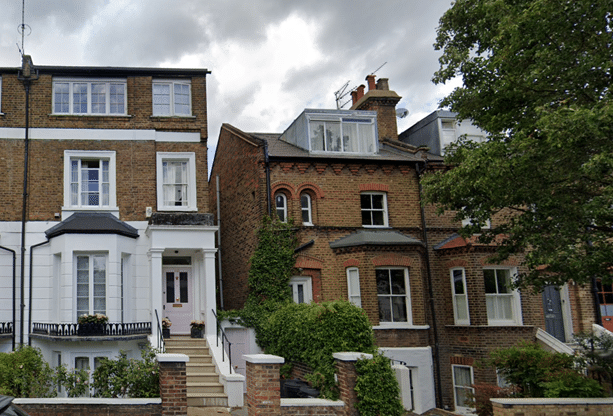
SANDS Civil Engineering Consultancy was appointed to prepare a Detailed Construction Logistics Plan (CLP) for proposed residential works at 12 Caithness Road, Hammersmith, following the discharge of a planning condition requiring a CLOCS‑compliant logistics strategy to Hammersmith & Fulham Requirements
The project involved the regularisation of a residential building alongside extensions and internal alterations within a tightly constrained residential street environment. The CLP was prepared to provide a clear, deliverable framework for managing construction access, deliveries, and highway interaction throughout the construction period.
The Challenge
12 Caithness Road is located on a narrow residential street with permit‑controlled parking, limited carriageway width, and footways serving local residents, schools, and community uses. The location presented a number of sensitivities, including nearby schools and residential amenity, requiring careful control of construction activity.
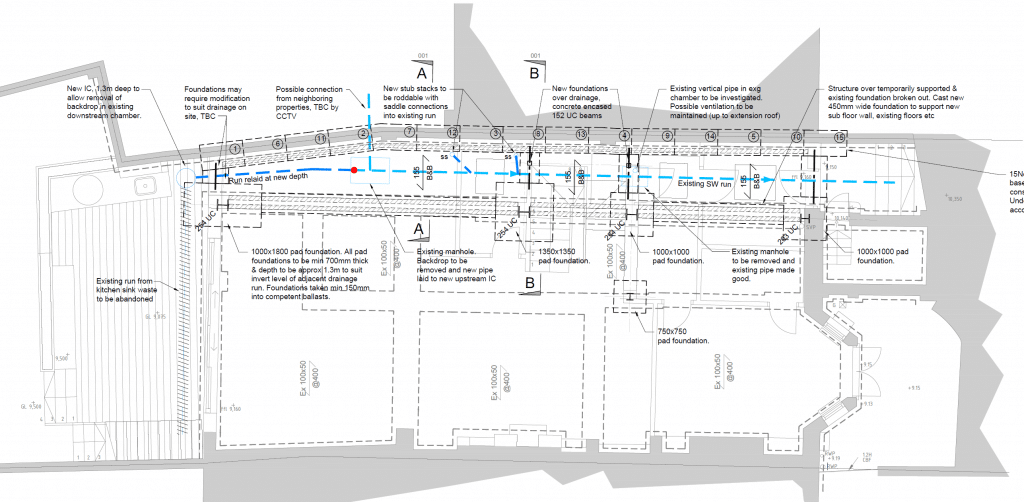
The primary challenge for this scheme related to the construction methodology, particularly the sequencing of works associated with lower‑ground and structural elements (Underpining), which significantly influenced how materials could be delivered, handled, and transferred into the site.
Unlike developments where logistics are driven by volume of deliveries, this scheme required a methodology led logistics strategy, ensuring that build sequence, temporary works, and material handling were aligned with highway and pedestrian safety constraints.
Construction Logistics Plan Approach
Our approach focused on producing a CLOCS compliant Construction Logistics Plan that directly reflected the proposed construction methodology and site constraints. The CLP set out how the works could be delivered safely while maintaining pedestrian access, minimising disruption to neighbours, and protecting the operation of Caithness Road.
Each Construction Logistics Plan is delivered as a coordinated package, combining the written strategy with the drawings required to evidence safe and deliverable construction access.
For 12 Caithness Road, the CLP was supported by:
- Construction traffic routing plans identifying approved access and egress routes
- Detailed site logistics and site layout plans showing loading areas, skip locations, and footway interface
- Vehicle swept path drawings demonstrating safe manoeuvres for delivery vehicles, skip lorries, and concrete mixers
- Parking bay suspension layouts to support servicing and waste removal
These drawings formed an integral part of the CLP submission, providing clarity to the Local Planning and Highway Authority and demonstrating that the proposed construction methodology was deliverable in practice.
Construction Methodology and Logistics Interface
A key aspect of the CLP was its close alignment with the construction methodology. Due to restricted access and limited on‑site working space, elements such as excavation, foundation works, concrete pours, and structural activities required careful sequencing.
The CLP addressed:
- Hand‑dug and carefully phased excavation activities
- Controlled concrete pours using appropriate vehicle sizes
- Temporary placement of skips within suspended parking bays
- Manual and mechanical transfer of materials under supervision
- Maintaining a clear and accessible footway during all stages of construction
By embedding the methodology within the logistics strategy, the CLP ensured that construction activities could proceed safely without unnecessary highway obstruction or pedestrian conflict.
Delivery Management and Highway Controls
To minimise disruption, the CLP established a controlled delivery management strategy. All deliveries were to be pre‑booked and scheduled outside peak network and school travel periods. Delivery vehicle sizes were restricted to suit local conditions, with larger vehicles limited to specific activities and time windows.
All loading and unloading operations were planned to be undertaken under banksman supervision, ensuring pedestrians were not displaced or put at risk. Parking bay suspensions were identified and managed through the site logistics plans, providing temporary servicing space without creating uncontrolled stopping on the carriageway.
The plan also emphasised compliance with FORS, CLOCS, and Direct Vision Standard requirements for all construction vehicles attending the site.
Pedestrian Safety and Community Considerations
Given the residential context and proximity to schools and community facilities, pedestrian safety was a central consideration in the CLP. Activities involving footway interface were sequenced to avoid peak pedestrian periods, with temporary measures and supervision provided where interaction was unavoidable.
The CLP also set out clear communication and liaison procedures, including a nominated site contact and proactive engagement with neighbours to manage expectations and respond to issues during construction.
Liability‑Aware Delivery Framework
The Construction Logistics Plan provides a clear framework to inform the Planning and Highway Authority of the proposed construction approach. It recognises that the appointed contractor remains responsible for the detailed management, coordination, and delivery of the works, including the preparation of task‑specific risk assessments and method statements.
Value Delivered
This project demonstrates our ability to deliver construction methodology led Construction Logistics Plans for constrained residential developments.
The CLP integrated logistics planning with construction sequencing and was supported by traffic routing plans, site logistics drawings, parking bay suspension layouts, and vehicle swept path analysis. Together, these elements provided a clear and practical strategy for managing construction activity within a sensitive residential environment.
Construction Logistics Expertise
This case study highlights our experience in preparing CLOCS compliant Construction Logistics Plans for complex urban sites where construction methodology, access limitations, and community considerations must be carefully balanced.
If your development requires a Construction Logistics Plan or Construction Management Plan to support planning approval or condition discharge, particularly where methodology or site constraints drive logistics decisions, our team would be happy to assist.

Recent Comments